



.png)
Gateway on Pesticide Hazards and Safe Pest Management
How To Find Ingredients in Pesticide Products
Beyond Pesticides offers resources below to evaluate the health and ecological effects of specific chemical exposure from ACTIVE INGREDIENTS in pesticide products, as well as regulatory information and supporting scientific documents. Because various pesticide products can contain more than one active ingredient, it is important to READ the LABEL to determine chemical components.
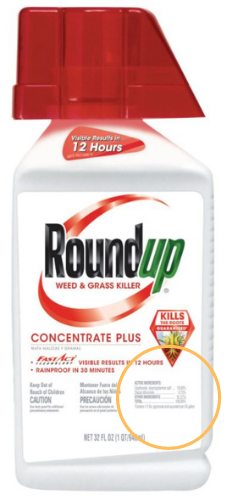
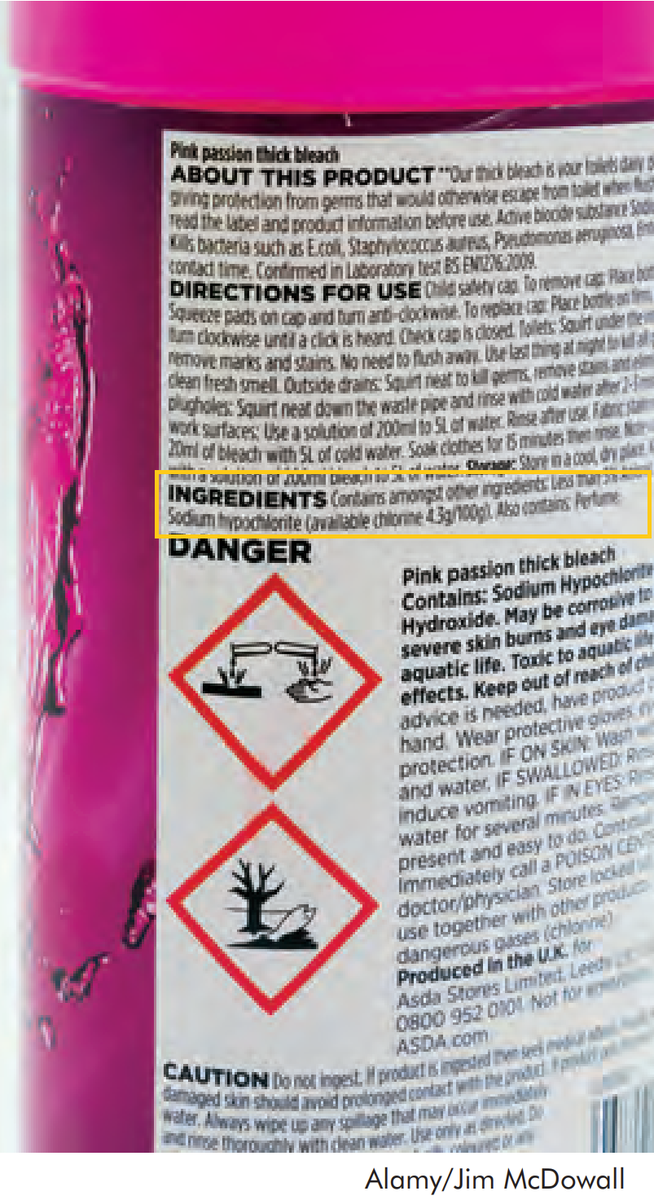

With 192 different active ingredients and counting, it is essential to establish the connection between the use of these chemicals and their respective hazards.
View the step-by-step guide on how to search for the active ingredient(s) in pesticide products below:
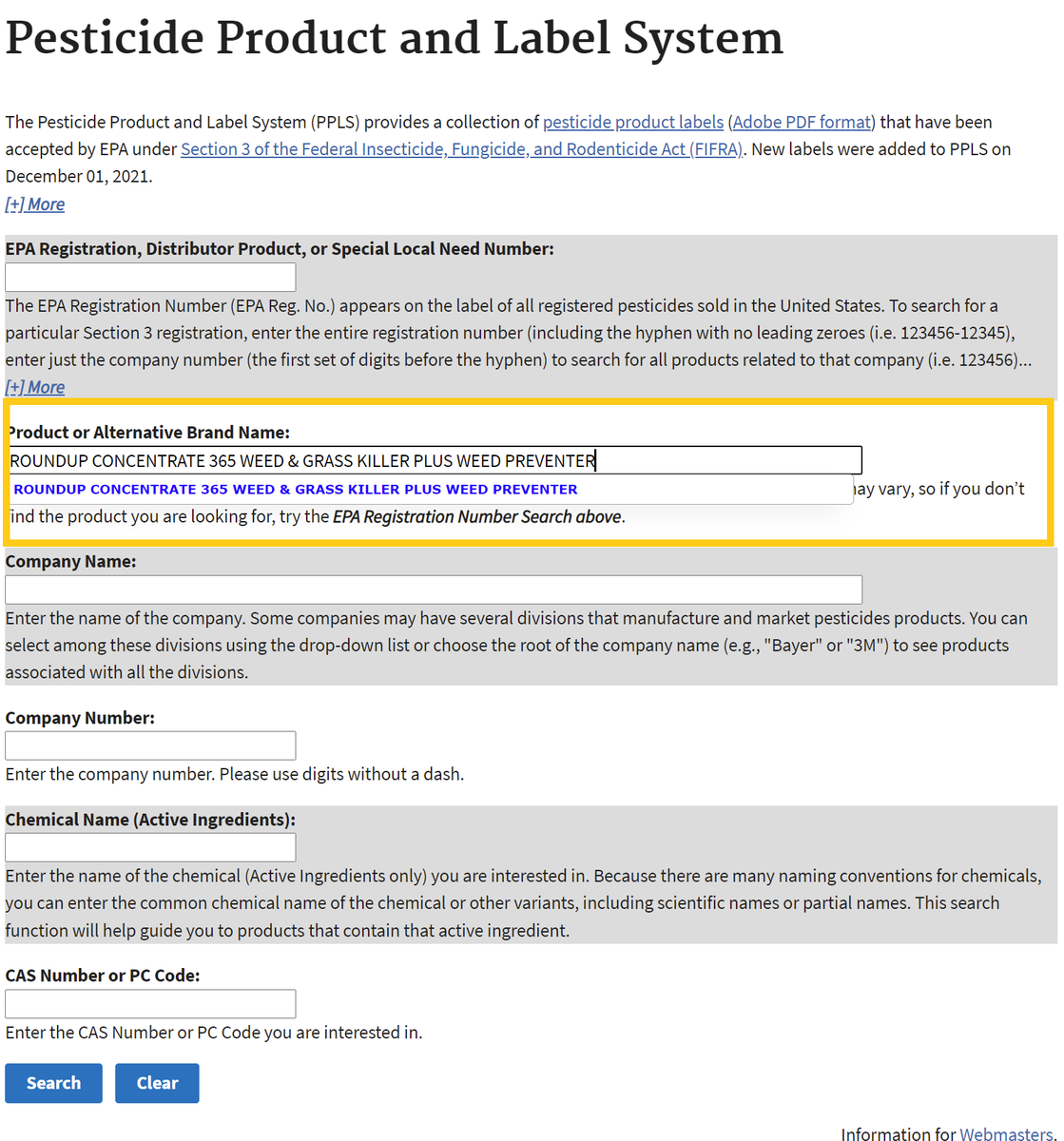
- Go to U.S. EPA's Pesticide Product and Label System and enter the product name. The generic product name may vary.
- After searching, click on the chemical ingredients tab or the link for the most recent label to find Active Ingredients.
Chemical List Label List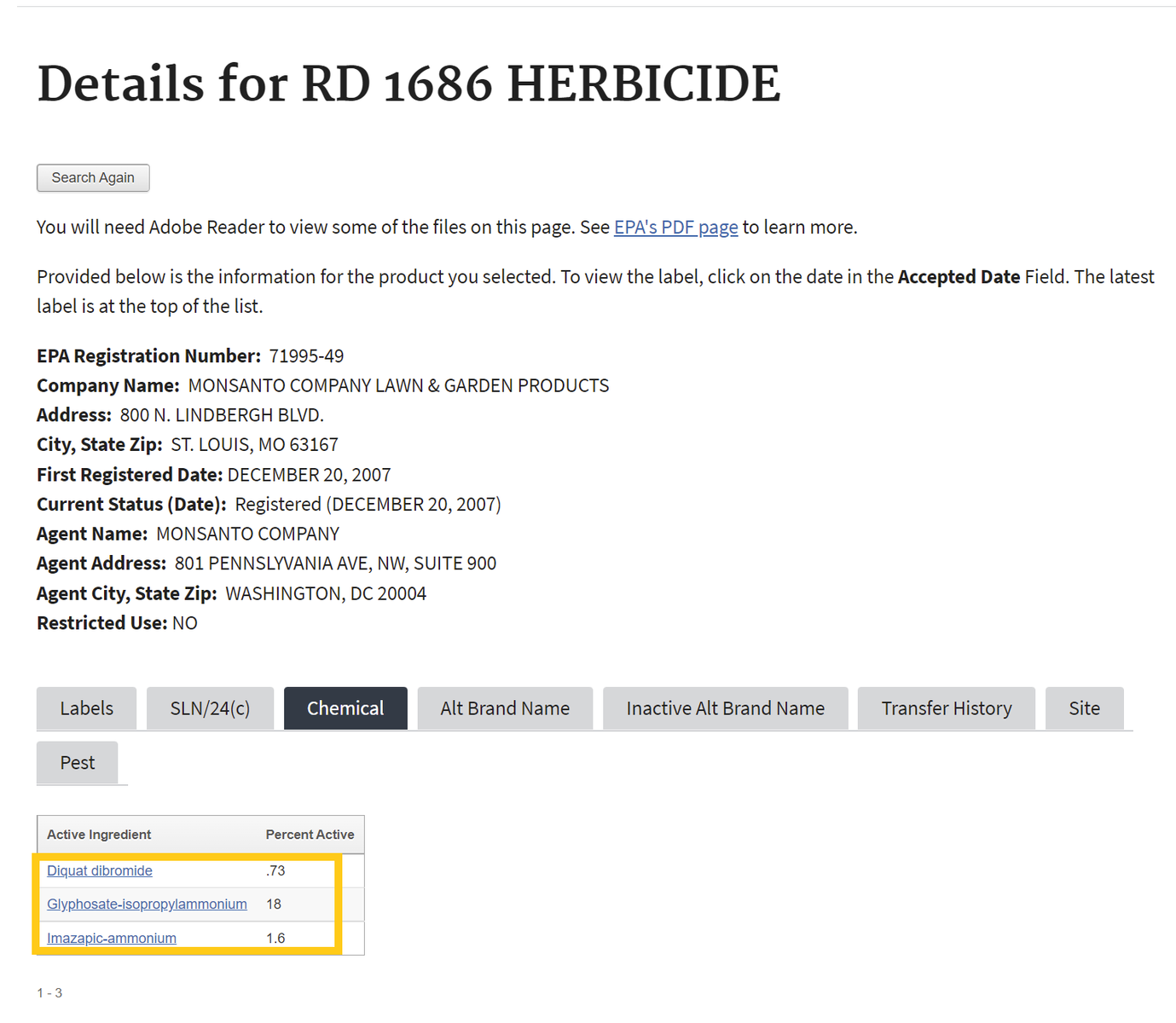

If one selects the chemical ingredients tab, skip to Step 4 . If not, proceed to step number 3 - To find the active ingredient(s) on the label, search for the page in the document containing the date of registration. Usually, the active ingredients section occurs within the first few pages of the label document.
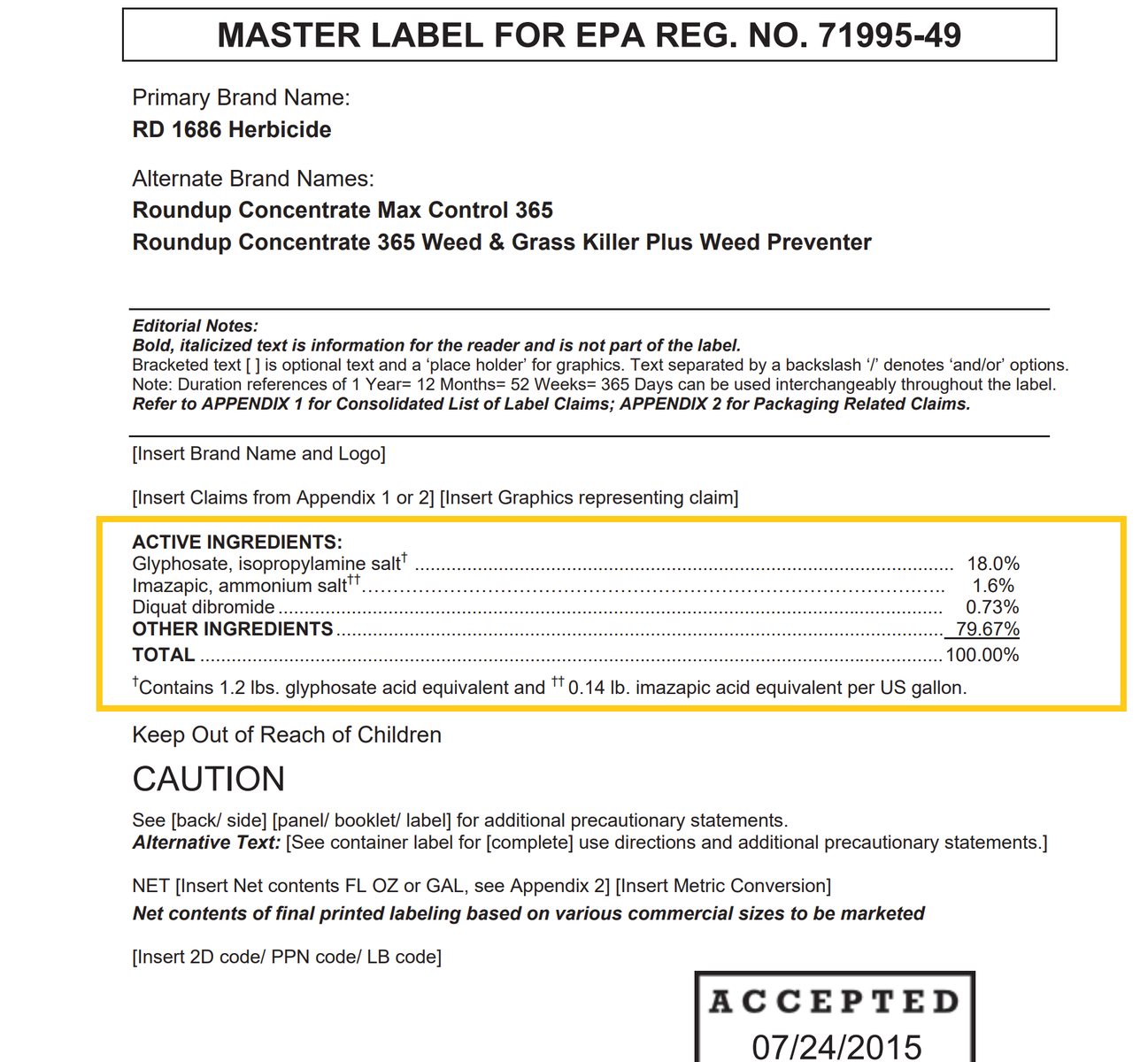
- Return to the Beyond Pesticides Gateway and search for the active ingredient name in the yellow box to the right or from the list below.
Pirimiphos-methyl
General Information
- Product Names:
- Chemical Class: Organophosphate
- Uses: As a broad-spectrum organophosphate insecticide and acaricide, pirimiphos-methyl is primarily used post-harvest on grains (corn, sorghum, wheat, barley, oats), seeds, and peanuts, as well as in domestic/industrial areas and in cattle ear tags.
- Alternatives: Organic Agriculture, Organic Lawn Care
- Beyond Pesticides rating: Toxic
Health and Environmental Effects
- Cancer: Not documented
- Endocrine Disruption: Not documented
- Reproductive Effects: Yes (1)
- Neurotoxicity: Yes (2)
- Kidney/Liver Damage: Not documented
- Sensitizer/ Irritant: Yes (2)
- Birth/Developmental: Not documented
- Detected in Groundwater: Not documented
- Potential Leacher: Not documented
- Toxic to Birds: Not documented
- Toxic to Fish/Aquatic Organisms: Yes (1)
- Toxic to Bees: Yes (3)
Additional Information
- Regulatory Status:
- Supporting information:
- World Health Organization Chemical Fact Sheets: Pirimiphos-methyl
- PAN Pesticides Database: Pirimiphos-methyl (Pesticide Action Network)
- NIH PubChem Database (National Library of Medicine)
- Studies [compiled from the Pesticide-Induced Diseases Database]
- Widely Used Pesticides with Previously Unknown Endocrine Activity Revealed as in Vitro Anti-Androgens. Orton F, Rosivatz E, Scholze M, Kortenkamp A 2011. Environ Health Perspect. doi:10.1289/ehp.1002895
- Residues of pesticides and metabolites in chicken kidney, liver and muscle samples from poultry farms in Dar es Salaam and Pwani, Tanzania. Mahugija, J. A. M., Chibura, P. E., & Lugwisha, E. H. J. (2018). Residues of pesticides and metabolites in chicken kidney, liver and muscle samples from poultry farms in Dar es Salaam and Pwani, Tanzania. Chemosphere, 193, 869–874. https://doi.org/10.1016/j.chemosphere.2017.11.094
- Hepatotoxicity of Pirimiphos-Methyl on Wistar Rats. Nosiri, Chidi & Stanley C., Okereke & Uche Okuu, Arunsi & Chujor, O.O. & Nwaogwugwu, Caleb. (2017). Hepatotoxicity of Pirimiphos-Methyl on Wistar Rats. IOSR Journal of Environmental Science, Toxicology and Food Technology. 11. 88-93. 10.9790/2402-1104018893.
- Effects of Pirimiphos-Methyl on Non-Target Invertebrates. Faly, L., & Brygadyrenko, V. (2024). Effects of Pirimiphos-Methyl on Non-Target Invertebrates. Biology, 13(10), 823. https://doi.org/10.3390/biology13100823
- In Vitro Evaluation of the Combined Toxicity of Pirimiphos-methyl and Piperonyl Butoxide. Campos, F. et al. (2025). In Vitro Evaluation of the Combined Toxicity of Pirimiphos-methyl and Piperonyl Butoxide. Anais da Academia Brasileira de Ciencias, 97(4), e20241526. https://doi.org/10.1590/0001-3765202520241526
Gateway Health and Environmental Effects Citations
1. National Library of Medicine. PubChem Hazardous Substances Database. PubChem (nih.gov)
2. US EPA, Office of Prevention, Pesticides and Toxic Substances, Reregistration Eligibility Decisions (REDs), Interim REDS (iREDs) and RED Factsheets. https://archive.epa.gov/pesticides/reregistration/web/html/status.html.
3. Pesticide Action Network Pesticide Database. http://www.pesticideinfo.org/Search_Chemicals.jsp.